The deep exploration. Where the shorter loops pass through Lianbao Yeze on a transfer, this itinerary gives the granite spires an entire day and returns to the same hotel in Aba, so there is no packing and no second hotel change. It also visits the Sichuan-side temple at Langmusi, adds Flower Lake and Guane Gou, and closes with the forest-and-reservoir scenery of Yeliguan rather than a plain motorway run. Nine days is the point at which the plateau stops feeling like a sequence of stops and starts to feel like a place.
Why this trip
- A genuinely private journey: your own vehicle and driver, your own English-speaking guide, no shared group and no shopping stops
- A comfortable private MPV on the paved stages; on the seasonal Joseph Rock Road section we arrange a suitable high-clearance vehicle so the rough track is driven safely
- Hand-picked four-star hotels with breakfast where available; in small towns such as Langmusi, Tangke, Aba, Dangchang and Zhagana we book the best locally available property and confirm it with you before departure
- A private meet-and-greet at Lanzhou Zhongchuan Airport (LHW) or Lanzhou West railway station, with flexible arrival and departure times
- A pre-departure route briefing covering altitude, road conditions, monastery etiquette and the seasonal road sections
- A full, unhurried day inside Lianbao Yeze with a return to the same Aba hotel – the single biggest upgrade over the shorter loops
- The Sichuan-side temple at Langmusi, plus Flower Lake and Guane Gou in the same journey
- Yeliguan’s red cliffs and reservoir on the final run back to Lanzhou instead of a featureless highway stage
Route at a glance
Lanzhou – Labrang – Ganjia – Bajiao – Xiahe – Sangke – Guomang – Langmusi – Awangcang – Aba – Lianbao Yeze – Tangke – Flower Lake – Zhagana – Lazikou – Guane Gou – Dangchang – Yeliguan – Lanzhou. Lanzhou in, Lanzhou out – a continuous loop through Gannan and Longnan with no repeated road. Travel is by private vehicle with your own driver and English-speaking guide throughout.
Day by day
Day 1 – Arrive in Lanzhou – free afternoon
Overnight: Lanzhou
- A private meet-and-greet at Lanzhou Zhongchuan Airport (LHW) or Lanzhou West railway station and a transfer to your hotel.
- The afternoon is yours: walk the Yellow River embankment, try Lanzhou beef noodles or simply rest before the altitude of the coming days.
- Your guide calls in the early evening for the route briefing and confirms the itinerary, the vehicle and the seasonal road conditions.
Good to know: Lanzhou sits at about 1,520 m. An easy first afternoon is the best preparation for the plateau climbs that follow.
Day 2 – Lanzhou – Labrang – Ganjia – Bajiao Ancient City – Xiahe
Overnight: Xiahe
- An early start south to Xiahe and a full visit to Labrang Monastery, including the long prayer-wheel corridor.
- Continue into the Ganjia limestone basin for the cliffs and open pasture.
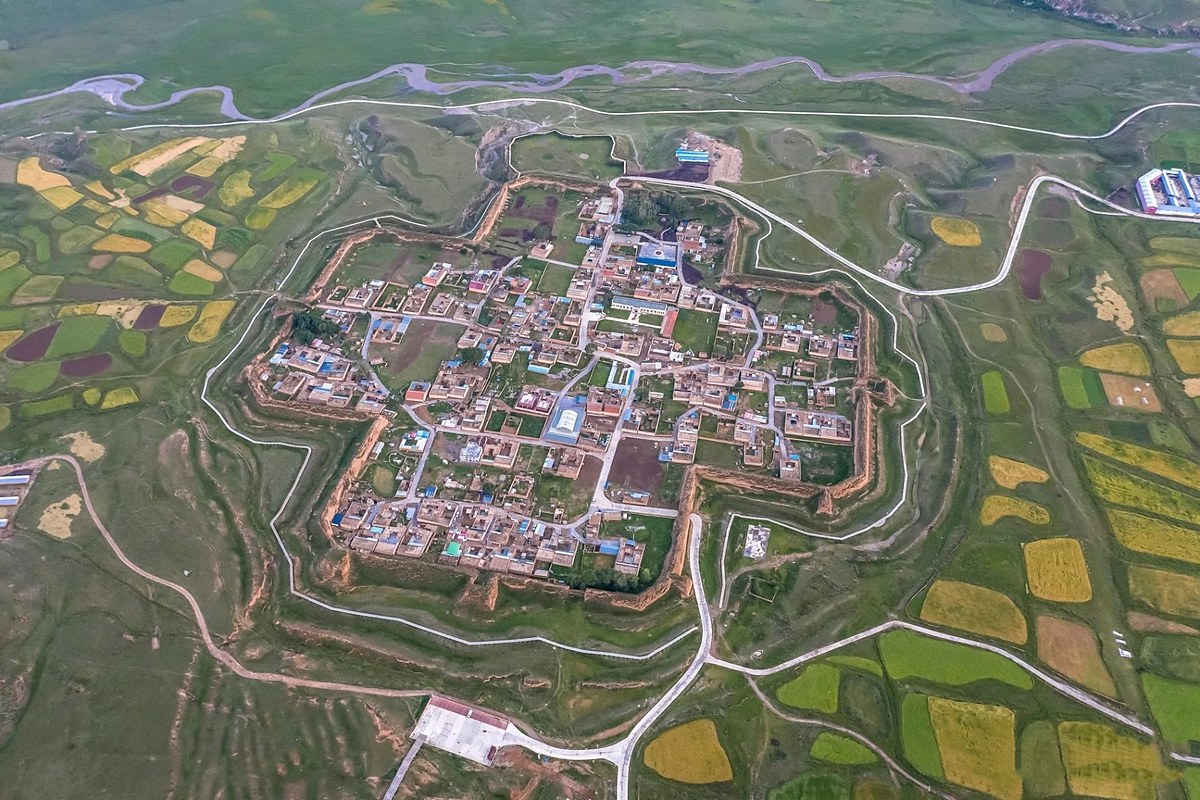
- Walk the star-shaped ramparts of Bajiao Ancient City before returning to Xiahe for the night.
Good to know: Around 270 km with three substantial stops. Visiting Labrang first avoids the midday crowds and the strongest sun.
Day 3 – Xiahe – Sangke Grassland – Guomang Wetland – Langmusi Sichuan temple
Overnight: Langmusi Town
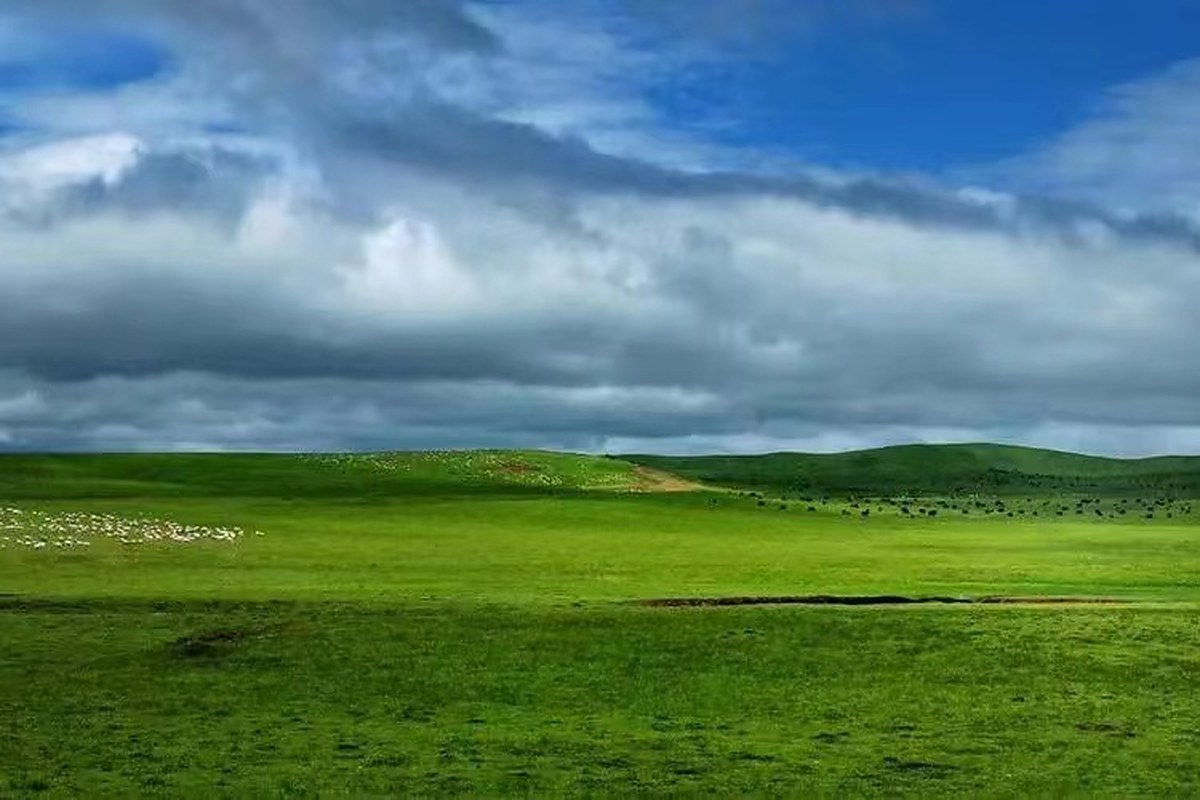
- Cross the Sangke Grassland in morning light and stop for the horse herds and open pasture.
- Walk the Guomang Wetland boardwalks on the way south.
- Visit the Sichuan-side temple at Langmusi, above the town, for the white walls, golden roofs and the view along the gorge.
Good to know: Around 220 km. The two Langmusi temples sit on opposite sides of the provincial boundary; the longer itineraries give each its own time.
Day 4 – Langmusi – Awangcang Wetland – the great prayer wheel – Aba
Overnight: Aba (Ngawa)
- Head west across the upper Yellow River pasture country to the Awangcang Wetland, a broad mosaic of water channels and grazing land.
- Visit the colossal gilded prayer wheel at the nearby monastery and watch pilgrims turning it.
- Cross into Sichuan and overnight in Aba County.
Good to know: Around 270 km. This is a high, open stage with few services; water and lunch stops are planned in advance.
Day 5 – Aba – Lianbao Yeze in depth – Aba
Overnight: Aba (Ngawa)
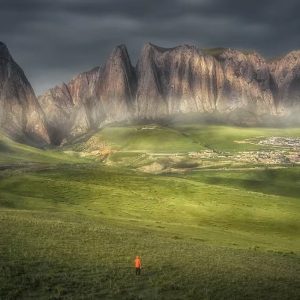
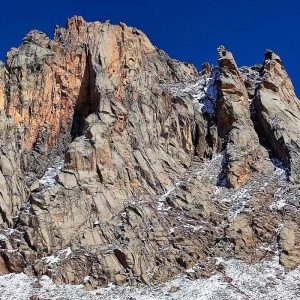
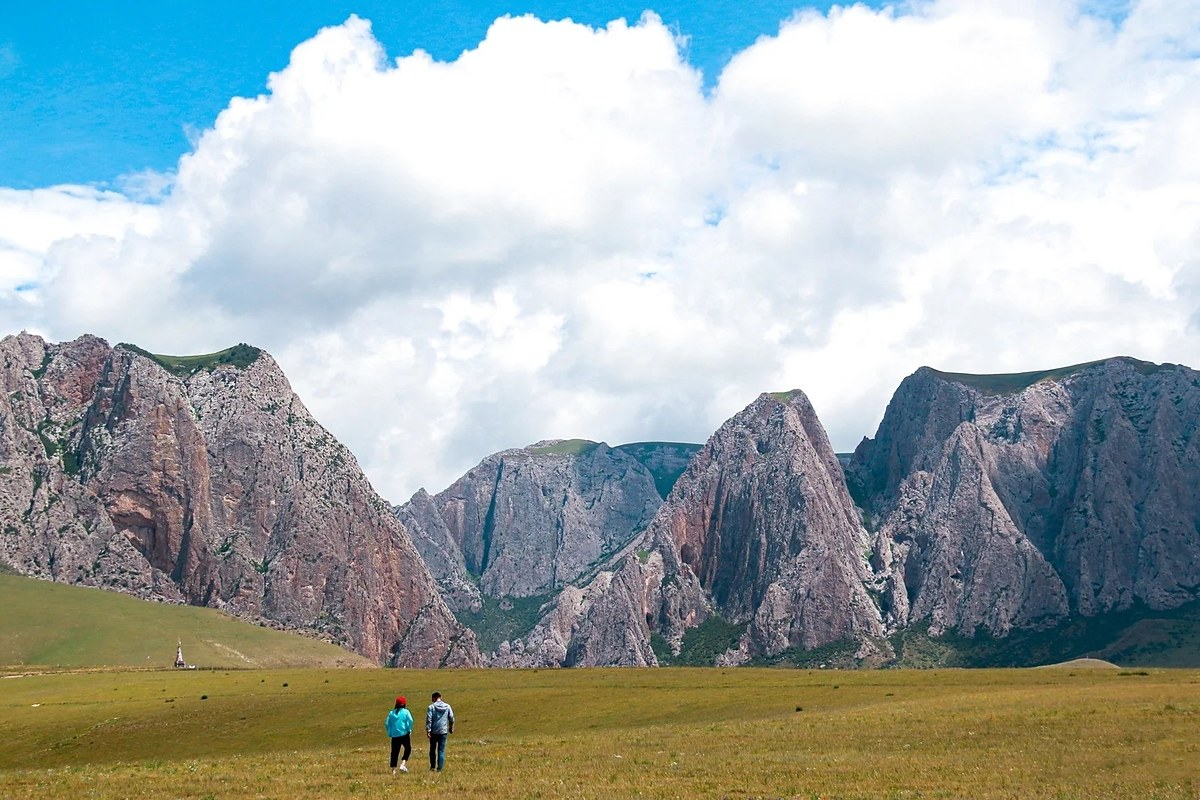
- A full, unhurried day at Lianbao Yeze, with time for the granite spires, the alpine tarns and a slower walk along the valley floor.
- Photograph the peaks in the changing midday and afternoon light rather than rushing through on a transfer.
- Return to the same hotel in Aba so there is no packing and no second hotel change in the middle of the trip.
Good to know: A deliberate out-and-back of roughly 150 km. Staying twice in Aba is what makes this a genuinely deeper version of the shorter loops.
Day 6 – Aba – First Bend of the Yellow River – Tangke
Overnight: Tangke
- A relaxed morning departure from Aba across the high floodplain.
- Arrive at Tangke in time for a slow lunch and a rest before the viewpoint.
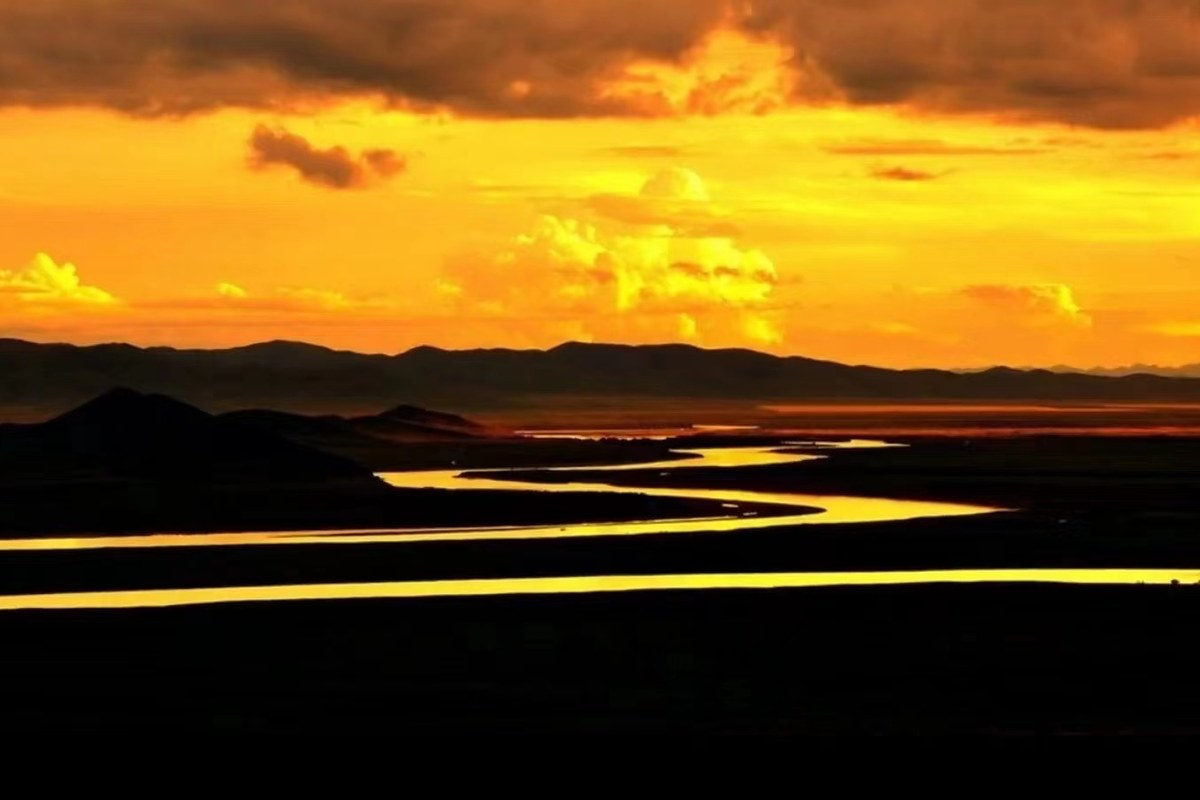
- Climb to the sunset viewpoint over the First Bend of the Yellow River and stay for the last light on the water.
Good to know: Around 200 km. Sunset here is the signature photograph of the whole route, so this day is deliberately kept short.
Day 7 – Tangke – Flower Lake – Zhagana – Fairy Meadow
Overnight: Zhagana
- A morning visit to Flower Lake on the Ruoergai plateau, following the boardwalks through the reed beds.
- Continue north to Zhagana and check into the village beneath the limestone walls.
- A short late-afternoon walk up to Fairy Meadow for the classic view in the last light.
Good to know: Around 280 km. Flower Lake is at its best in early summer; the boardwalks keep the wetland undisturbed.
Day 8 – Zhagana – Lazikou – Guane Gou – Dangchang
Overnight: Dangchang
- Leave Zhagana early and drive south through the Lazikou gorge.
- Spend the afternoon in Guane Gou, using the park shuttle between the waterfall and lake sections.
- Overnight in Dangchang, a short drive from the valley.
Good to know: Around 320 km. Because you stay in Dangchang rather than pushing on to Lanzhou, Guane Gou gets a full afternoon.
Day 9 – Dangchang – Yeliguan – Lanzhou
Overnight: Onward travel (no overnight)
- A morning drive north through the mountains to Yeliguan.
- Stop for the red cliffs, forest and reservoir viewpoints.
- Continue to Lanzhou in the afternoon for your onward flight.
Good to know: Around 450 km. Book an evening flight after 19:00, or add a Lanzhou night on request.
The places you will see
Lanzhou. The Yellow River city that anchors every itinerary here, and the gateway to the Tibetan plateau. Arrival days are deliberately left free so you can walk the river embankment or try a bowl of hand-pulled beef noodles.
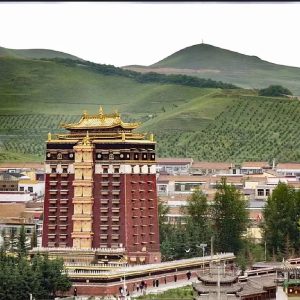
Labrang Monastery. One of the six great Gelug monasteries of Tibetan Buddhism, famous for its three-kilometre circumambulation corridor of prayer wheels and for the valley view from the hill behind the prayer hall.
Ganjia Secret Land. A quiet limestone basin of grassland, cliffs and small Tibetan villages near Xiahe, far less visited than the big-name monasteries. The jagged peaks make the best morning photographs.
Bajiao Ancient City. The eight-cornered ruins of a Tang-era garrison town on the Ganjia grassland. Its unusual star-shaped wall is still readable from above and from the old ramparts.
Sangke Grassland. Open alpine pasture just outside Xiahe, greenest in July and August, with nomad tents, horse herds and low hills.
Guomang Wetland. A boardwalk wetland of tufted grass, pools and birdlife on the plateau drive south towards Langmusi.
Langmusi. A monastery town split between Gansu and Sichuan, with white monastery walls, golden roofs, a narrow gorge and a small, walkable old street. The Sichuan-side temple sits above the town; the Gansu-side temple faces the gorge.
Awangcang Wetland. One of the largest high-altitude wetland pastures on the upper Yellow River, a broad mosaic of water channels and grazing land near Maqu.
The great prayer wheel. A colossal gilded prayer wheel at a monastery near Awangcang, turned by the hands of pilgrims – one of the largest of its kind in the region.
Lianbao Yeze stone peaks. A jagged granite landscape of dark spires, glacial tarns and scree at around 4,000 m, often compared with a miniature Patagonia. The walking is short but the air is thin.
First Bend of the Yellow River. Near Tangke the river loops back on itself across a huge flat floodplain. The sunset viewpoint is the classic place to watch the water turn gold.
Flower Lake, Ruoergai. A protected wetland lake on the Ruoergai plateau with reed beds, boardwalks and abundant birdlife, especially in early summer.
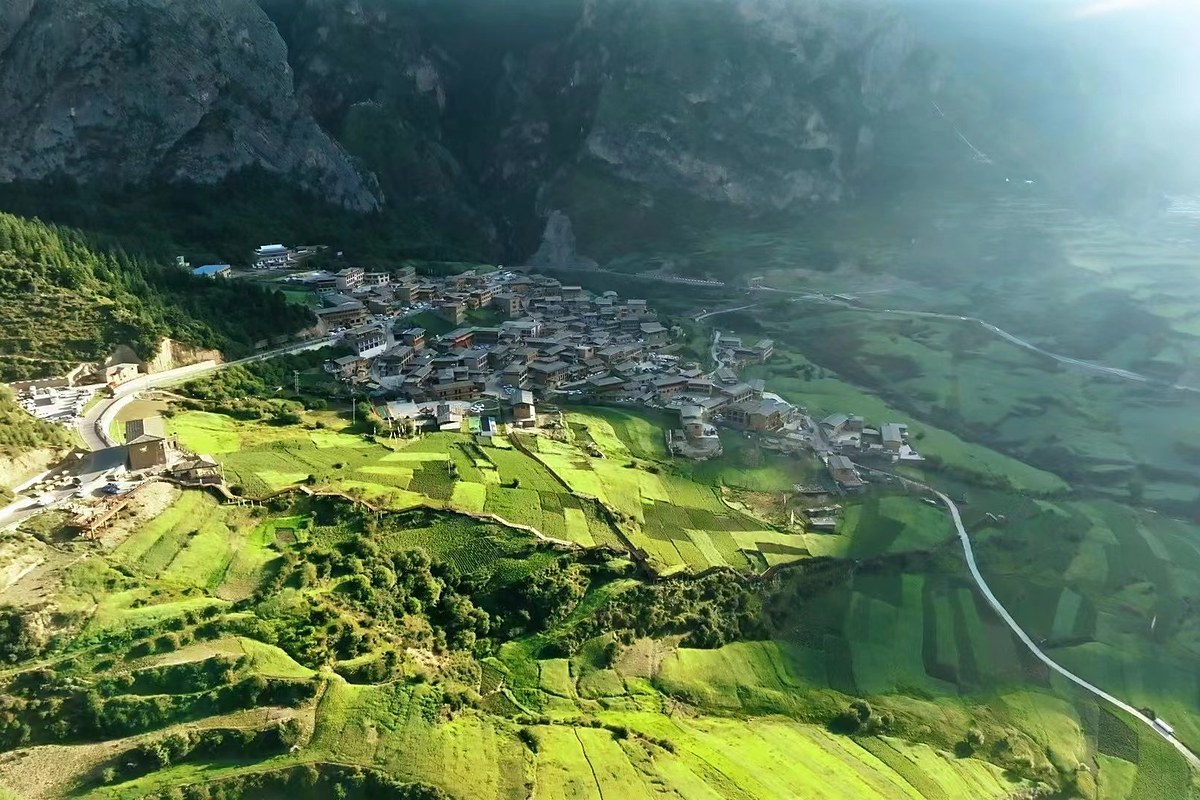
Zhagana stone village. A Tibetan village enclosed by a ring of grey limestone walls, with wooden houses terraced up the slope and fields below. It is the most photographed place on the whole Gannan route.
Fairy Meadow at Zhagana. An open alpine meadow above the village, reached by a short walk, with the stone walls rising directly behind it. Late afternoon is the best light.
Lazikou Pass memorial. A narrow wooded gorge on the old route into Longnan, marked by a memorial to the Red Army’s passage. It is a short, worthwhile stop on the way south.
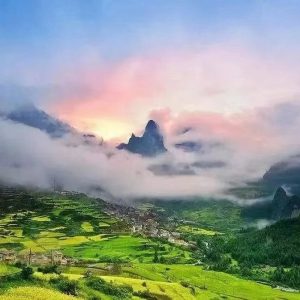
Guane Gou valley. A long green valley of limestone cliffs, waterfalls, turquoise pools and Tibetan villages, often called the ‘little Jiuzhaigou’ of Longnan. Shuttle buses connect the main scenic sections.
Dangchang. A small county town in the mountains of southern Gansu, the base for visiting Guane Gou and a sensible overnight before the long run back towards Lanzhou.
Yeliguan. A forest-and-lake landscape of red cliffs and reservoir water on the northern edge of the Gannan plateau, a gentle final scenic stop before Lanzhou.
Complimentary experiences
A private pre-departure route briefing with a printed day-by-day plan, bottled water and a first-aid kit in the vehicle, flexible photo stops whenever the light turns good, and a guide who helps with ticket reservations, monastery etiquette and ordering in local restaurants.
What is included
- A private vehicle and professional driver for the whole itinerary, plus fuel, highway tolls and parking, and a high-clearance vehicle for the Rock Road section where applicable
- A private English-speaking guide throughout and all airport or railway-station transfers
- All hotel accommodation with daily breakfast, in the towns shown in the day-by-day plan
- All entrance tickets and shuttle buses for the sights listed in the itinerary, including Guane Gou, Maijishan and the monasteries
- Bottled water in the vehicle, a first-aid kit and flexible photo stops
- Full pre-trip planning by a real consultant: several rounds of itinerary changes are included before you confirm
Good to know
- Gannan is high country. Xiahe is around 2,900 m, Langmusi around 3,300 m and the Lianbao Yeze viewpoints close to 4,000 m. Walk slowly on the first two days, drink water and tell your guide at once if you feel unwell. Travellers with serious heart or respiratory conditions should consult a doctor before booking.
- The Joseph Rock Road is an unsealed seasonal mountain track. If weather or road works close it, your guide reroutes via the paved highway through Lintan and Hezuo so the trip still ends in Lanzhou on time.
- This is a Lanzhou-in, Lanzhou-out loop, so a round-trip ticket into LHW is all you need. Carry your passport for hotel check-ins and ticketed sites.
- Inside monastery halls, photography is often restricted, and visitors should walk clockwise around prayer wheels and stupas. Your guide will explain the local etiquette before each visit.
- The itinerary is private, so timings can be adjusted on the ground. Road works, weather and seasonal closures may move a stage by a few hours; your guide will always propose the best available alternative.
- Prices are per person in USD, based on two travellers sharing a room. International flights, visas, personal expenses, gratuities and meals other than breakfast are not included.
Local flavours
Lanzhou’s clear beef noodle soup, Tibetan butter tea and tsampa, Xiahe’s yak-meat dumplings, hearty noodle pots in Langmusi, slow-roasted lamb in Aba, and the river fish and walnut dishes of Longnan and Tianshui. Highland towns eat early, so your guide plans dinner stops around each driving day; vegetarian and halal meals can be arranged.